An Industrialized, Global Food Supply Chain Threatens Human Health
In an outbreak that has now run for more than 28 months, at least 279 people across 41 states have fallen ill with multidrug-resistant Salmonella infections linked to raw turke
In an outbreak that has now run for more than 28 months, at least 279 people across 41 states have fallen ill with multidrug-resistant Salmonella infections linked to raw turke
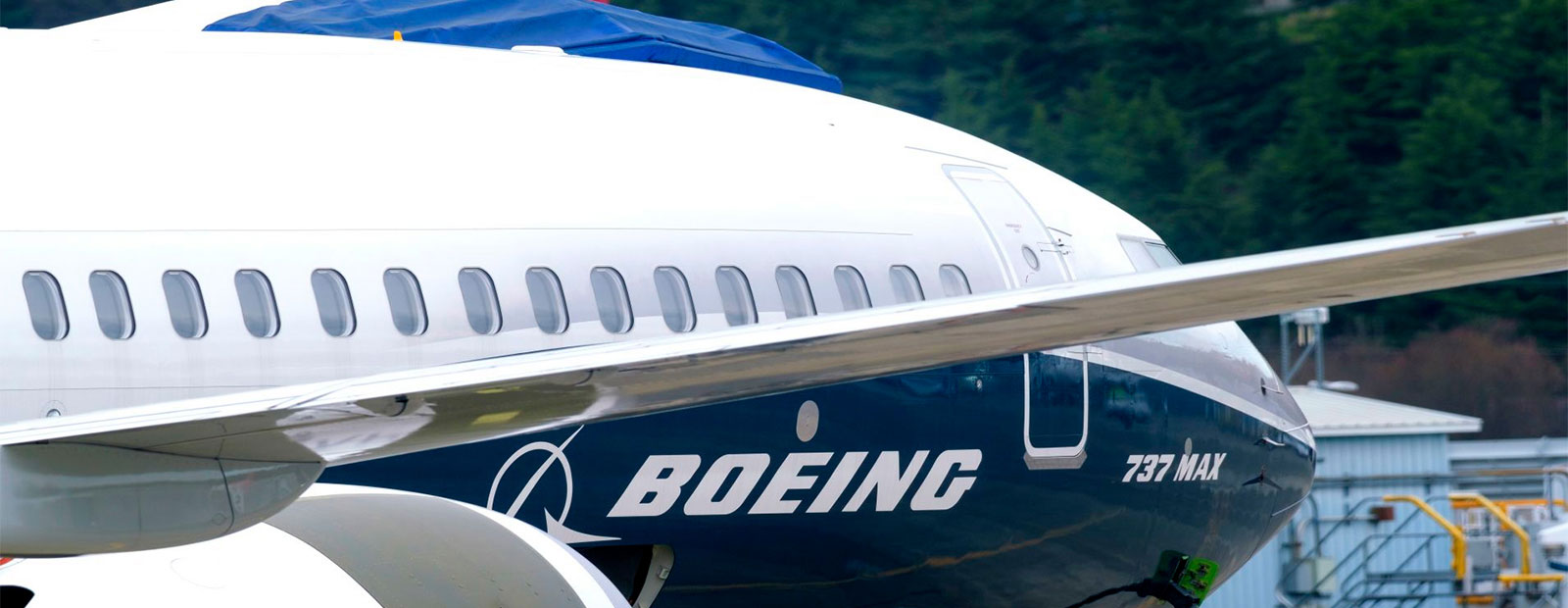
Boeing has been rife with issues lately. While the recent Ethiopian Airlines crash has dominated headlines and elicited an FBI investigation into the company, another federal body has stated it will be keeping a closer eye on Boeing’s safety shortfalls.
Credit: Gerd Leonhard
It’s human nature to resist change, and the life sciences industry is not exempt from a change-averse mindset.
History indicates that major technological changes can take about half a century to go from the first lab drawings to society.
Your own voice will likely become the most significant focus for food retailers and restaurants in the immediate future. Voice searches are increasingly becoming the norm.

According to the International Labor Organization, around the world every day 7,600 people die from work-related accidents or diseases—that’s more than 2.78 million people every year.
In the wake of the Lion Air and Ethiopian Airlines crashes of Boeing 737 Max planes, people are thinking about how much of their air travel is handled by software and
With medical cannabis being legal in Canada since 2002, and recreational use becoming legal in 2018, Prime Minister Justin Trudeau’s promise to his country has caused a storm.
In a crisis, time is not on your side. A crisis creates a vacuum, an informational void that gets filled one way or another.
Given the number of meetings most organizations have, you’d think everyone couldn’t help but be on the same page. Sort of a natural, automatic byproduct of spending so much time together. Nice idea, but not really true.