Enough!
During recent visits to Twitter and LinkedIn, I’ve become increasingly shocked by the devolution of the posts to vacuous nonsense.
Twitter RSS Feed. Stories for Twitter go here.
During recent visits to Twitter and LinkedIn, I’ve become increasingly shocked by the devolution of the posts to vacuous nonsense.
Electrodes are essential components of modern lithium-ion batteries, which are used to power mobile electronic devices, electric vehicles, and many other products.
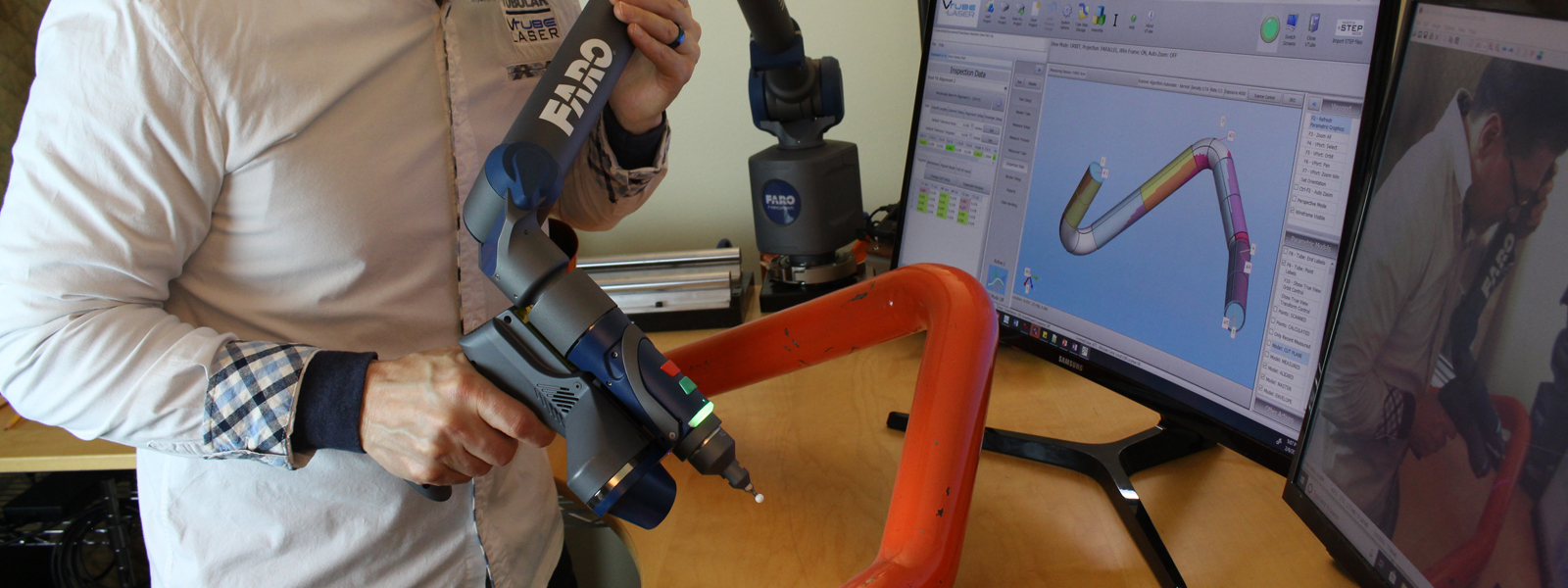
In the manufacturing universe, metal tube fabrication is a world of its own. That being said, the requirements for developing a new world-standard solution for tube bending are common to all manufacturing—be faster, more accurate, and more economical.
Most people have a notion about the visual workplace that is much too small for themselves and their companies. They think of it as a series of point solutions that are helpful, even clever. Yet they should expect more—because they need more.

I am thrilled to introduce Quality Digest’s special report, “Unlocking the Future of Life Sciences.” This series explores the last several decades of quality management within the life sciences industry.

Great quality is pretty much the same everywhere, but the cost of poor quality is not equivalent from industry to industry. For example, it’s conceivable (but I hope not probable) that this article may turn out to be a real bomb, or worse, a complete snoozer.

Within the life science industry, federal and industry regulations have prompted the need for compliance, and that trend has only increased in magnitude and complexity.

As the United States struggles with rising healthcare costs, reducing the amount of money pharmaceutical companies spend dealing with regulation, while at the same time meeting drug safety requirements, would seem to be competing interests.

It’s been a year and a month since Stephen McCarthy switched C suites, moving from Johnson & Johnson, where he served as vice president of quality system shared services, to

Many industries have no clear boundary between safety and quality culture. In fact, they are often closely integrated.