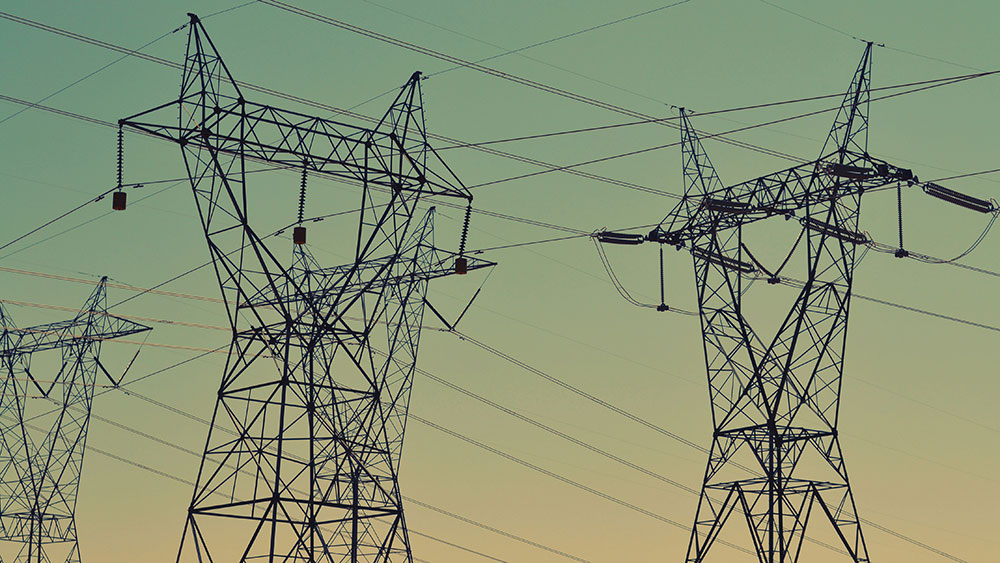
In the electrotechnology sector, we know one thing for certain: Trust can’t be imposed; it must be built. Standardization enables us to build it every day. As the world grapples with climate, digital, and societal challenges, manufacturers, electricity producers, grid operators, conformity assessment bodies, and equipment installers are working together through the French Electrotechnical Committee (CEF), operated by AFNOR.
|
ADVERTISEMENT |
Our mission is clear: to make standards the foundation of a cleaner, safer, fairer and low-carbon world. Behind each of these ambitions, one thing remains constant: trust. Trust will also be at the heart of the 2026 ISO annual meeting in Paris, which our industry is proud to support. Because trust, more than ever, is what will make these major transitions possible.
Why electrotechnical standards matter
Standardization is the most powerful tool we have to accelerate a transition and foster the innovations that support it. Take the climate crisis. How can we decarbonize the economy without a shared framework? Standards are helping speed up electrification, advance the eco-design of products, and embed environmental criteria into procurement. Without this common language, stakeholders would be working in the dark, making it harder to build the trust on which citizens and businesses depend.
The same is true of digital transformation. Electrotechnical standards provide a common framework for trusted and secure digitalization, from strengthening the cybersecurity of electrical infrastructure to enabling digital twins that optimize grid management. They help ensure safety and reliability across the energy sector while supporting key developments such as smart grids and the integration of renewable energy. Inclusivity is also part of this approach. By embedding accessibility and equity principles in every standard, we help ensure that no one is left behind.
As we often say within the CEF, “Without common standards, there can be no trust. And without trust, there can be no energy or digital transition.” It’s a simple idea, but one that reflects a fundamental conviction: Standardization is one of the pillars of our shared future.
Staying ahead of change
Our sector doesn’t simply respond to change—it helps shape it. As the transition to carbon-free energy accelerates, we’re developing the standards that will underpin renewable energy, nuclear power, and even digital product passports.
The circular economy is another priority. We’re actively developing standards for product life-cycle assessment, covering everything from rotary machines and batteries to HVAC systems. Each of these standards plays a part in reducing our footprint and strengthening consumer trust.
Turning to smart grids, we’re developing standards that promote efficiency, resilience, and interoperability while accommodating new uses such as electric mobility, self-consumption, and energy storage. These are all challenges we can only address together.
Openness and collaboration define our approach. Proof of this is our role in launching ISO/IEC JTC 4, the joint technical committee on sustainable and smart cities, whose secretariat is held by France. Its mission is to integrate energy and digital considerations into urban planning, helping cities transition to a more sustainable, low-carbon future. But our commitment extends even further: We’re also working on the cyber-resilience of semiconductors and critical infrastructure.
How standards drive innovation
As the pace of change accelerates, the electrotechnology sector underlines a simple truth: Standards are a catalyst for progress. They build trust and make life easier for all stakeholders in the value chain. By bringing together collaboration, expertise, and vision, we demonstrate that standards can act as a safeguard against risk while creating a powerful springboard for innovation.
Frankly, the challenges ahead are immense. But by working together, with strong standards and shared trust, we will build the world of tomorrow.
What role do you see standardization playing in your industry? Want to be part of the conversation driving tomorrow’s business decisions? Join the live discussion at the ISO Annual Meeting 2026.
Published by ISO.

Add new comment