Social Sharing block

In recent months, through several of my professional activities, a recurring and increasingly concerning pattern has emerged: The use of AI to generate client responses to accreditation assessment findings (nonconformities) as well as participant essays, exercises, and examination answers from training programs. These frequently contain incorrect or misquoted ISO references, sometimes even citing clauses that don’t exist.
|
ADVERTISEMENT |
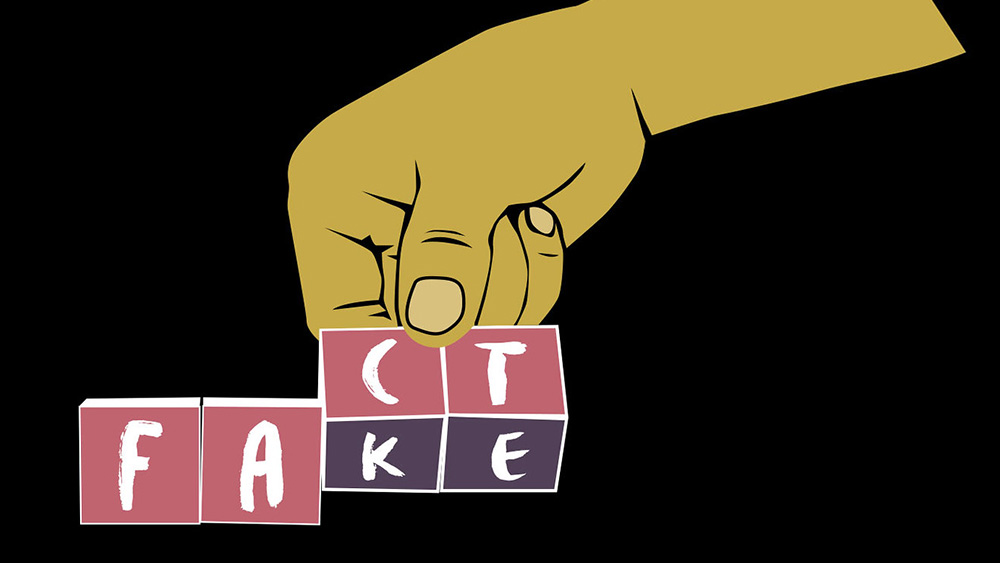
What makes this problem particularly deceptive is the quality of presentation. The language is fluent, confident, and well-structured. At first glance, the material appears technically sound. Upon verification, however, references fail basic accuracy checks. The same phenomenon is now widespread in third-party training material, online articles, and learning resources where artificial intelligence tools are used by writers who don’t adequately review or validate the generated content.
In conformity assessment, this isn’t a minor editorial issue. Accuracy, traceability, and precision are foundational requirements. Using unvalidated AI tools can generate confident-sounding but often inaccurate content if repeated without proper verification.
…
Comments
Aucinaciones en Evaluacion de la Conformidad
Actualmente existen Herramientas en IA que permiten basada solo en la informacion entregada de manera acotada, evitar que la IA realice acciones de alucinacion, evitando tomar informacion fuera del contexto suministrado, lo que minimiza la probabilidad de alucinacion en las respuetas, sin embargo siempre existe el riesgo que esto pueda ocurrir. Muy buen articulo. Felicitaciones. Leonardo
Via Google Translate (added by moderator):
Currently, there are AI tools that, based solely on limited information, prevent AI from performing hallucinatory actions by avoiding the use of information outside the provided context. This minimizes the probability of hallucinations in the responses; however, the risk of this occurring always remains. Very good article. Congratulations. Leonardo
AI Risks in Conformity Assessment Implementation
I was getting confused between ISO management system standards like ISO 42001 (AIMS), ISO 9001 (QMS) etc, which Users can seek 'Certification' and not 'Accreditation'. They cannot be "compliant to....." these ISO MSS. I understand how they can get a Non-conformance but am unsure in the context of ISO 17025 "Accreditation". Thank you.
AI Risks in Conformity Assessment Implementation
The article provides a valuable understanding of how vulnerable is AI utilization in disciplines requiring “factual correctness or technical validity not linguistic plausibility” (cited from the article). Excellent insight.
Add new comment