Developing a Standardized Approach to Work, Part 2
In this four-part series, we take an in-depth look at how to design an effective work environment. Part one discusses the elements of continuous-flow work cells.
In this four-part series, we take an in-depth look at how to design an effective work environment. Part one discusses the elements of continuous-flow work cells.
In this four-part series, we take an in-depth look at how to design an effective work environment. Part one discusses the elements of continuous-flow work cells.
Higher customer expectations, cost-cutting pressures, thinner margins, and shorter lead times are some of the daily challenges that organizations face.
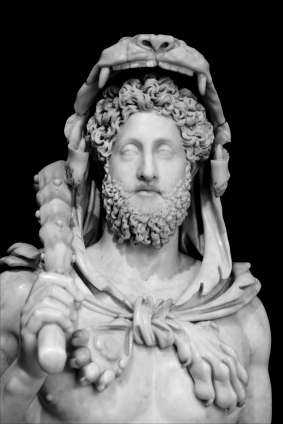 When we say that a task is Herculean, it means it is extremely difficult.
Value stream or other lean analysis helps identify the main obstacles to flow in a process.
So I thought I was done with measurement system analysis after my last column, but I just finished reading Don Wheeler’s June 1 column, “
A recent article published in Quality Digest Daily pointed out that to foster a problem-solving culture, managers must serve as mentors and cultural leaders—building the systems and atmosphere that support and encourage team members at all levels to problem s
For more than 20 years, Toyota’s methods, known as “lean,” have made headlines. And that’s how long engineer, researcher, and author Mike Rother has been involved with the subject. Like many others, Rother began with Toyota’s production tools.
In a recent e-mail, a reader of my blog asked me, “How can we enhance top management commitment and involvement for implementing total productive maintenance (TPM)?”
The Toyota Production System and U.S. health care improvement share a long history. What lessons can health care leaders learn from Toyota’s recent production troubles?