Trustworthy AI
Artificial intelligence (AI) promises to grow the economy and improve our lives, but along with these benefits, it also brings new risks that society is grappling with.
Artificial intelligence (AI) promises to grow the economy and improve our lives, but along with these benefits, it also brings new risks that society is grappling with.
Workplace productivity is a huge challenge for nearly every company, business, and organization.
After two decades of offshore productions in low-cost countries, manufacturers are now struggling with the rapidly growing salaries and countereffects of cheap production.
Believe it or not, paper is very expensive. Although the going rate for a ream of standard copy paper is only about 10 bucks, the expense of relying on paper for your medical device quality management system is downright outrageous.
When Microsoft gave its 2,300 employees in Japan five Fridays off in a row, it found productivity jumped 40 percent.
Machine learning, the latest incarnation of artificial intelligence (AI), works by detecting complex patterns in past data and using them to predict future data.
Robert Rouzer is retired, but he may be busier than ever as a Baldrige volunteer.
‘It’s the shoes!” Spike Lee yelled into the camera on the Air Jordan ads.
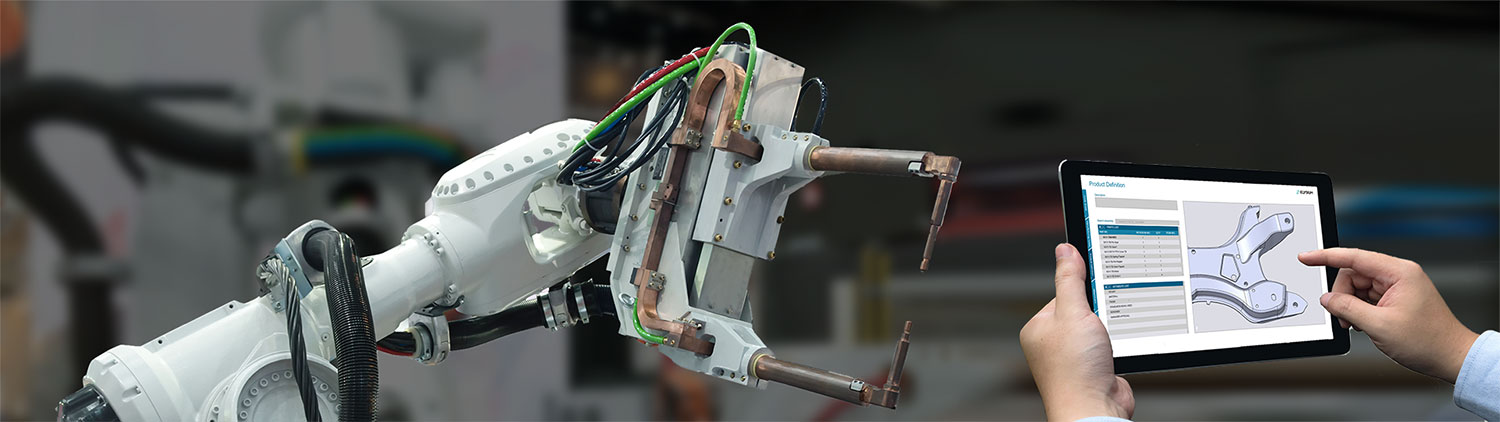
The argument for moving toward enterprisewide model-based definition is simple: The way we describe products is increasingly digital, not paper-based.
Two of my articles (the first regarding standards, standardization, and standard work; and the second on