Four Weird Things That Happen When You Videoconference
As the Covid-19 pandemic forces many U.S.
As the Covid-19 pandemic forces many U.S.
Sometimes I see people chasing their tails when trying to troubleshoot a process. This usually (though not always) follows a complaint or rejection of some kind.
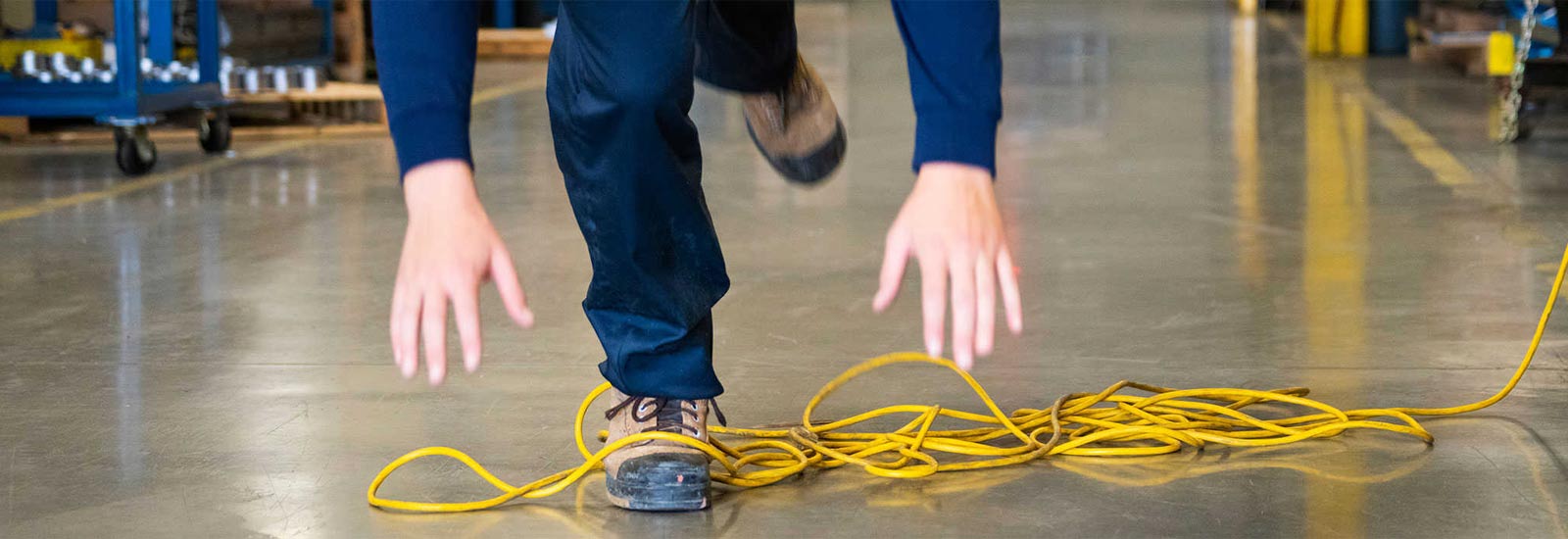
According to the National Safety Council, the rate of preventable workplace fatalities per 100,000 workers has flattened or risen slightly since 2009 after deca
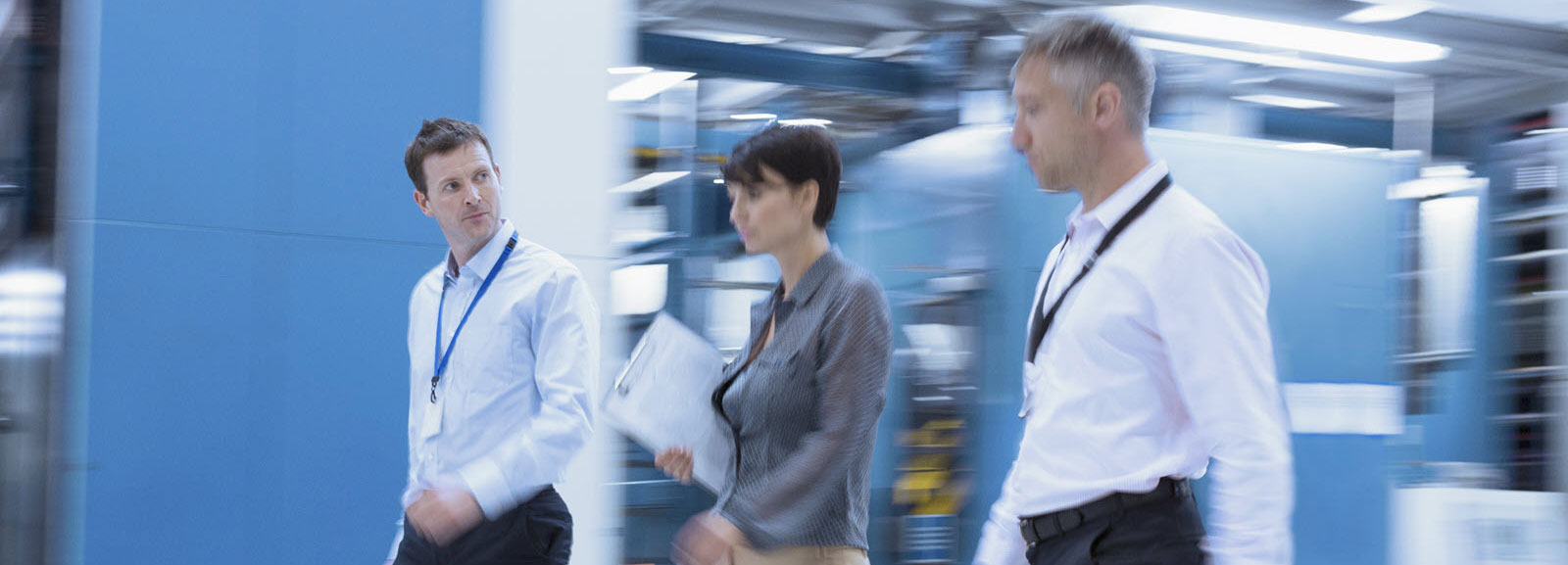
The Covid-19 pandemic has hit every industry with a barrage of challenges. The impacts on the manufacturing sector are already extending far beyond factory walls. And for now, the depth of those impacts and the expectation for recovery are unknown.
Working from home (WFH) is quickly becoming the new normal. The Covid-19 pandemic kicked the WFH movement into high gear, and many experts believe it will continue long after the crisis has passed.
In the trenches of the battle against Covid-19, critical defensive gear and medical equipment are in short supply.
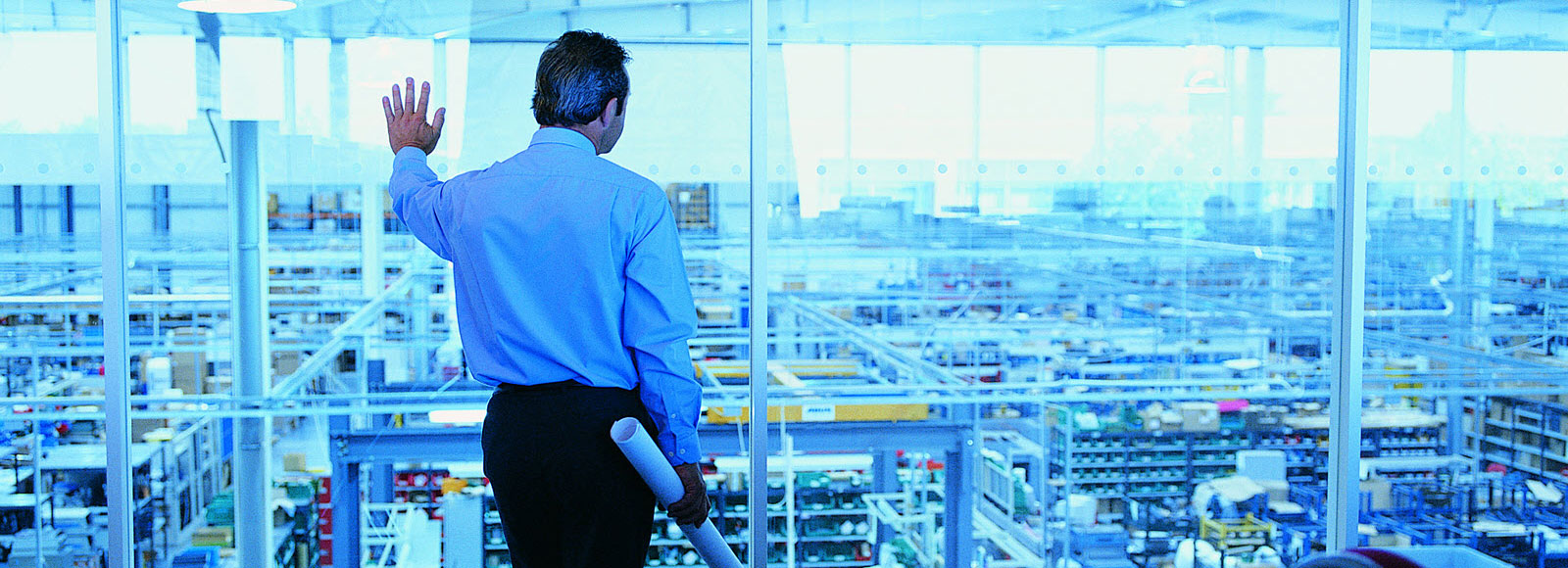
Manufacturers routinely face uncertainty, risk, and volatility in everyday operations.
The “camp” where we board our cat is fantastic. Our cat gets “tree time”—a giant climbing structure with tunnels and carpeted “trees” to climb and scratch. She gets the best of tender loving care, complete with brush-outs and nail trims.
Photo: Suzanne Kreiter/The Boston Globe via Getty Images
Want to find out how much it will cost to go to Arkansas Northeastern College?
The coronavirus pandemic has forced tens of millions of employees across the United States to work from home.