Make Some Tweaks in Your China Business Strategy
This past year has created havoc for Western companies purchasing raw materials, furniture, high-tech components, auto parts, and power tools from China.
Twitter RSS Feed. Stories for Twitter go here.
This past year has created havoc for Western companies purchasing raw materials, furniture, high-tech components, auto parts, and power tools from China.
The global wellness industry is doing superbly, thank you very much. In recent years, it grew a healthy 12.8 percent, becoming a $4.2 trillion market.
Why do we waste our time and effort completing checklist after checklist for tasks that we can complete even when half awake? Do we not have better things to do than complete checklists?
“It's amazing what you can accomplish as long as you don't care who gets credit.”
Stephen Fankhauser is the chair of the aviation d epartment at Swinburne University of Technology. His areas of expertise are in aviation technology and flight training.
The world is running out of experienced pilots. Supply is not keeping up with the growing demand for air travel. In Australia, the effects are already starting to bite. Even flagship carrier Qantas is having problems.
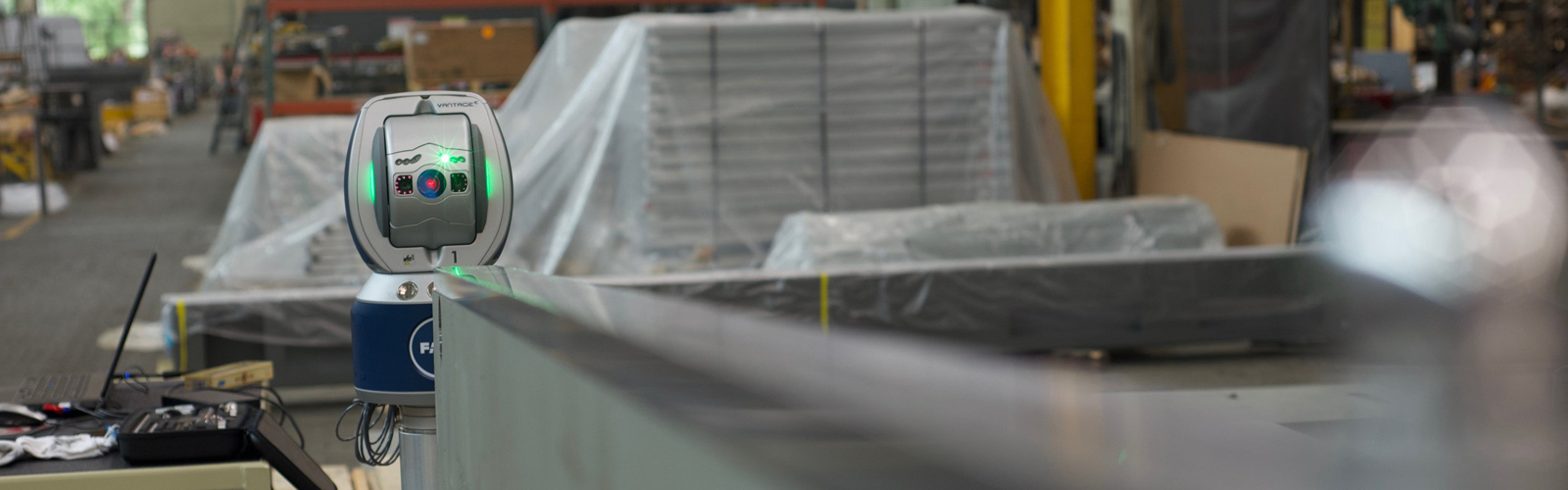
Machine-tool manufacturer Cincinnati Inc. has a heritage of building quality products and surviving great challenges.
“Although there’s an assumption that stress and pressure push employees to perform more, better, and faster, what cutthroat organizations fail to recognize is the hidden costs incurred.”
Should business leaders spend more time asking questions? Hal Gregersen has a firm answer to that: Yes.
Experts say that the cost of quality totals roughly 10 percent in the average organization, with some companies facing quality costs of up to 40 percent.
I recently wrote an article about innovation during 2018, and in it I made some disparaging remarks about Apple, which may or may not have caused it to lose a tremendous amount of market capitalization.