{domain:"www.qualitydigest.com",server:"169.47.211.87"} Skip to main content

        
User account menu
Main navigation
  • Topics
    • Customer Care
    • Regulated Industries
    • Research & Tech
    • Quality Improvement Tools
    • People Management
    • Metrology
    • Manufacturing
    • Roadshow
    • QMS & Standards
    • Statistical Methods
    • Resource Management
  • Videos/Webinars
    • All videos
    • Product Demos
    • Webinars
  • Advertise
    • Advertise
    • Submit B2B Press Release
    • Write for us
  • Metrology Hub
  • Training
  • Subscribe
  • Log in
Mobile Menu
  • Home
  • Topics
    • Customer Care
    • Regulated Industries
    • Research & Tech
    • Quality Improvement Tools
    • People Management
    • Metrology
    • Manufacturing
    • Roadshow
    • QMS & Standards
    • Statistical Methods
    • Supply Chain
    • Resource Management
  • Login / Subscribe
  • More...
    • All Features
    • All News
    • All Videos
    • Contact
    • Training

Hidden Hazards of Smart Device Medical Advice

Despite their increasing accessibility to consumers, healthcare apps have yet to generate much interest from regulators

ai subarasiki from Pixabay

Boris Babic
Sara Gerke
Theodoros Evgeniou
I. Glenn Cohen
Mon, 08/30/2021 - 12:03
  • Comment
  • RSS

Social Sharing block

  • Print
Body

For many of us, our electronic device can be a communications lifeline, entertainment system, and professional networking hub. If trends continue, it may become our health advisor as well.

ADVERTISEMENT

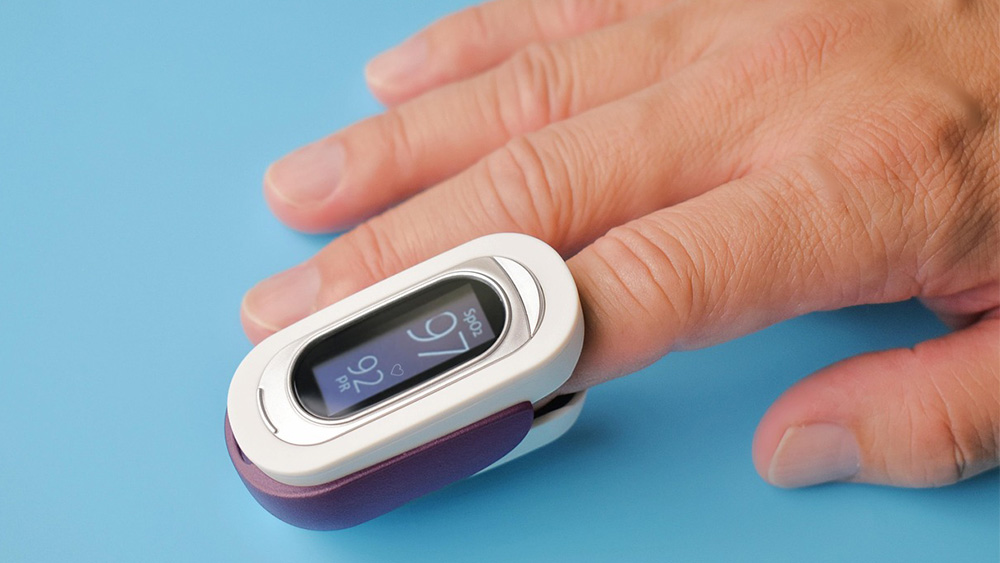
Direct-to-consumer (DTC) medical apps are a growing segment of the $10 billion market for healthcare solutions, incorporating machine learning (ML) and artificial intelligence (AI). Most are designed to flag symptoms that may require attention from a healthcare professional. For instance, the Apple Watch’s heartbeat sensor periodically checks for irregular rhythms associated with atrial fibrillation (AFib), a disorder that can cause strokes and hospitalization.

Despite their increasing accessibility to consumers, these apps have yet to generate much interest from regulators. At first glance, this may seem sensible. The apps do not claim to dispense advice or treatment, but rather notifications of possible early warning signs.

 …

Want to continue?
Log in or create a FREE account.
Enter your username or email address
Enter the password that accompanies your username.
By logging in you agree to receive communication from Quality Digest. Privacy Policy.
Create a FREE account
Forgot My Password
Top Stories
All Whys Are Not The Same
AI May Be Making Your Quality Problem Worse
Flying Blind: What Your Quality Data Miss Every Shift
The 6 Best Quality Management Software Features That Simplify Your QMS
Momentum Technologies Achieves Record Purity Milestones for Rare Earths

Add new comment

Please login to comment.

© 2026 Quality Digest. Copyright on content held by Quality Digest or by individual authors. Contact Quality Digest for reprint information.
“Quality Digest" is a trademark owned by Quality Circle Institute Inc.

footer
  • Home
  • Print QD: 1995-2008
  • Print QD: 2008-2009
  • Videos
  • Privacy Policy
  • Write for us
footer second menu
  • Subscribe to Quality Digest
  • About Us
  • Contact Us