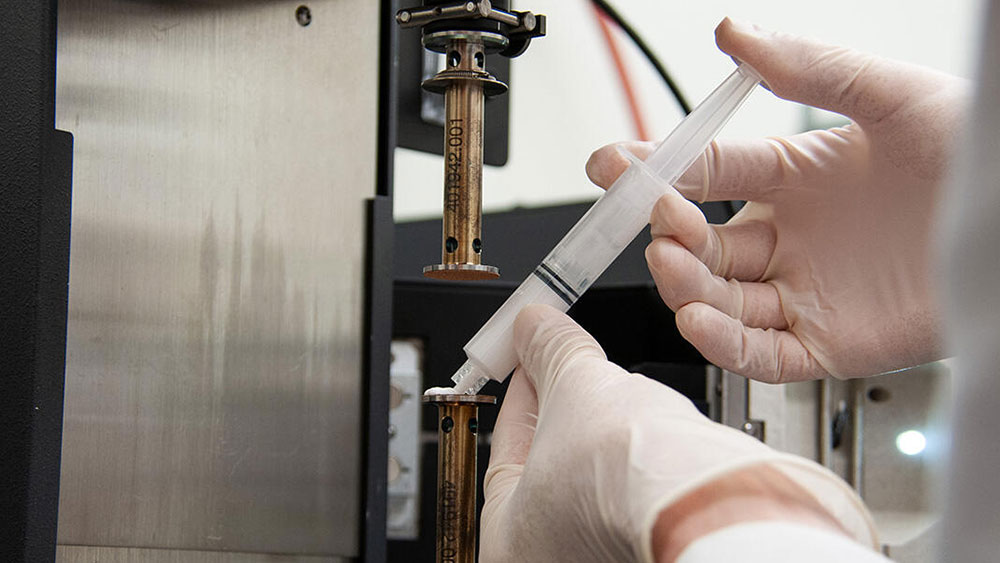
A. Boss/NIST
Technical ceramics—unlike those used in more common applications, such as pottery—are ideal for medical and dental implants.
Social Sharing block

3D printing has matured from a speculative sci-fi fantasy into a practical tool. Plastic is the most commonly used material for 3D printing, but research at the National Institute of Standards and Technology (NIST) is helping expand 3D printing into a new area—ceramics. Small details matter when it comes to printing ceramics, and those details can only be perfected if there’s a reliable way to measure them. Good measurements from NIST help the industry.
|
ADVERTISEMENT |
Technical ceramics—as opposed to those used in more common applications like pottery—have unique properties. They are lightweight, durable, excellent electric insulators, and are able to withstand extreme temperatures. Common technical ceramics include alumina and zirconia. Their unique properties make them ideal for electronic components, ballistic armor, and rocket engine parts.
…
Add new comment