Hexagon
Social Sharing block

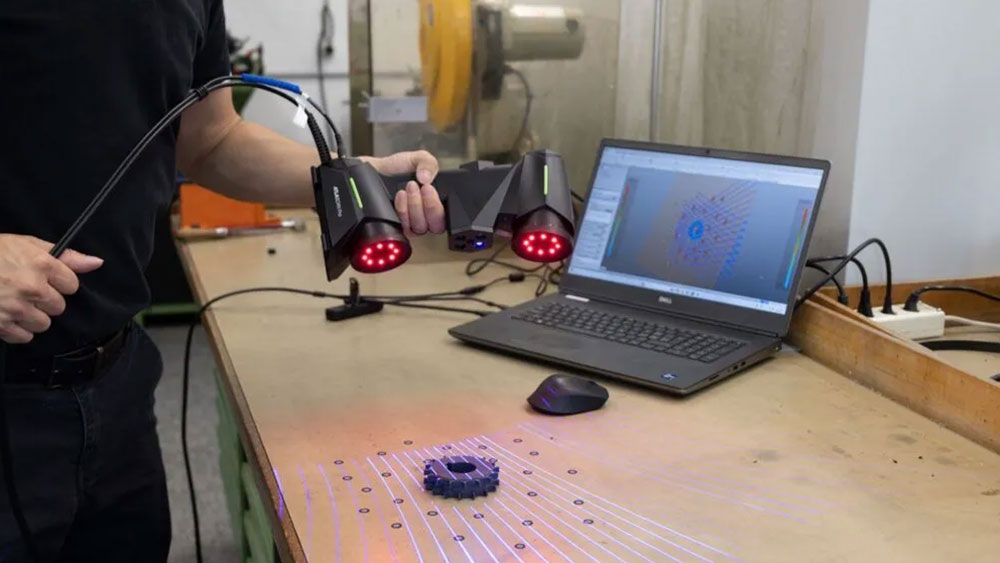
For decades, reverse engineering was a tool reserved for large manufacturers. Aerospace manufacturers leaned on it to keep aging fleets in service when computer-aided design (CAD) data were missing. Defense contractors relied on it to re-create components that had long outlived their original documentation. Automakers used it to digitize legacy parts and prototypes. The barrier to entry, including high-end scanners, specialized software, and expert operators, kept smaller companies on the sidelines.
|
ADVERTISEMENT |
Today, that’s no longer the case. Reverse engineering is undergoing an underdog revolution, moving from a niche capability to a mainstream tool, reshaping how industries design, repair, and innovate. Three forces are driving the shift: democratization, reverse mentoring, and new frontiers for applications.
…
Add new comment