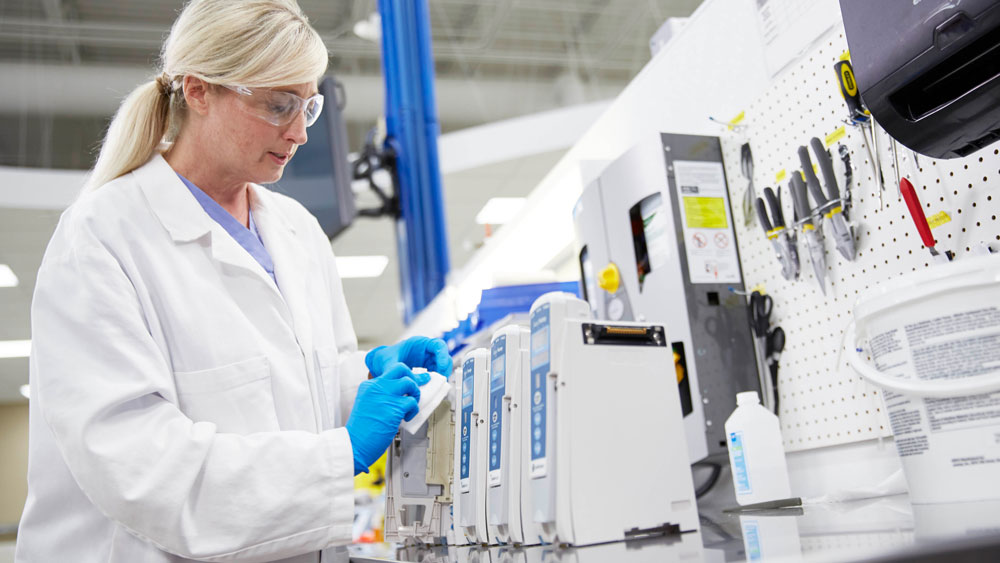
High-volume medical equipment serves as the operational backbone of our healthcare system. From infusion pumps and monitoring devices to hospital beds and support surfaces, these assets support nearly every aspect of patient care. Yet in many hospitals, medical equipment management remains fragmented and decentralized. As a result, equipment gets lost in the system. Repairs are delayed, usable devices sit idle, and departments continue to purchase more than they need, which leads to untracked devices, lost time, and unnecessary costs.
|
ADVERTISEMENT |
Studies continue to show that hospital equipment is inconsistently managed, maintained, and tracked. U.S. hospitals face major medical equipment management inefficiencies that pull clinicians away from patient care. Varied practices across biomed, supply chain, and clinical departments compound the problem. A study of a 580-bed Alabama hospital found that inaccurate point-of-use inventory records produced both overstock and daily shortages, increasing costs, delays, and lost revenue. Meanwhile, U.S. hospitals waste approximately $25.4 billion each year on unnecessary supply chain spending. Ultimately, the issue isn’t a shortage of equipment but insufficient visibility into how devices are used, located, and maintained.
The challenges of managing high-volume medical equipment
The average hospital manages thousands of high-volume medical equipment items that must be continuously moved, cleaned, and maintained to support patient care in several departments. Each device also requires regular maintenance to ensure safety and compliance with regulatory standards.
Large equipment fleets are difficult to manage so that caregivers have timely access to the tools they need. One of the most significant challenges is underused equipment due to poor tracking and misclassification. This lack of visibility often creates a false sense of shortages, leading to unnecessary purchases, rentals, and ongoing operational inefficiencies. At the same time, approximately 83% of biomed technicians report increased downtime due to repair delays. These gaps confirm both operational inefficiencies and regulatory risk.
The effects show up most clearly at the bedside. When equipment is hard to find or slow to return to service, nurses lose time—and patients feel it. Nurses spend 21 to 60 minutes per shift searching for equipment, time that could be spent caring for patients. This indicates a significant ongoing operational issue with consequences for efficiency, patient experience, and clinical outcomes.
These issues in equipment management come down to a lack of visibility, coordination, and accountability. Poor utilization, delayed maintenance, and fragmented ownership drive up costs while putting unnecessary strain on clinical staff and hospital operations.
The role of management and processes
Fortunately, many hospitals are rethinking the structure of equipment management. Instead of relying on decentralized internal teams, some organizations are turning to third-party medical technology management providers to centralize oversight.
A third-party partner can help standardize equipment management through consistent processes, coordinated service schedules, and a single point of accountability across departments. This oversight is critical in an environment where gaps in maintenance tracking and compliance systems limit hospitals’ ability to reliably monitor equipment readiness and servicing status. This lack of visibility contributes to more than 25% of equipment downtime. By centralizing these functions, internal teams spend less time navigating administrative complexity and more time focusing on their core responsibilities.
The benefits extend throughout clinical, financial, and operational domains. Clinically, improved equipment availability ensures that caregivers have the right tools at the right time, reducing delays in treatment and supporting more consistent patient care. From a safety perspective, consistent cleaning, functional testing, and stronger compliance tracking help reduce the risk of equipment-related issues and support regulatory requirements. By managing equipment flow and delivery, third-party partners also eliminate the need for biomed teams to spend time searching for devices.
Financially, increased visibility and use enable hospitals to right-size inventory, reduce unnecessary capital purchases, and lower the total cost of ownership. More efficient use results in less rental, lower maintenance expenses, and improved clinical productivity
Moving toward centralized equipment management
Experienced third-party providers that offer proven frameworks, technology, and operational expertise can accelerate this transformation. Centralized equipment management enables hospitals to move from reactive to proactive operations. With quick and reliable insights into location, status, and use, organizations can make informed decisions. This shift not only improves efficiency but also strengthens alignment between clinical demand and operational support.
Practical strategies that can help hospitals improve equipment management include:
• Managing medical devices to the point of use
• Leveraging use data to decrease equipment costs
• Understanding and tracking the true total cost of equipment
• Identifying and redeploying underused assets before purchasing or renting equipment
• Standardizing workflows between departments to reduce variation and inefficiencies
The future of hospital equipment management
When hospitals improve equipment management, the benefits extend far beyond cost savings. Clinicians spend less time searching for equipment and more time focused on patient care. Maintenance teams work more efficiently as equipment becomes easier to locate and track.
Centralizing equipment management can help hospitals improve accountability, reduce waste, and strengthen operational performance. Simultaneously, hospitals gain stronger control over spending with the ability to align capital investments to actual use rather than perceived demand. By focusing on utilization, standardized processes, and data-driven decision-making, hospitals can better support clinical teams while improving financial outcomes.
Optimizing equipment management is no longer an operational improvement. It’s an essential step toward supporting clinical teams, strengthening financial performance, and delivering better outcomes for patients.

Add new comment