Social Sharing block

The U.S. Food and Drug Administration scrutiny of AI and machine learning in medical devices is intensifying. Yet most companies still apply failure mode and effects analysis (FMEA) methods designed for deterministic hardware failures. AI failures are probabilistic, context-dependent, and often silent. A model trained on one population drifts in deployment. An algorithm confident in a prediction is fundamentally wrong.
|
ADVERTISEMENT |
This article provides a practical, step-by-step framework for integrating AI-specific risk management into ISO 14971 and IEC 62304 workflows to reduce regulatory risk, accelerate FDA approvals, and achieve competitive differentiation.
The challenge: Why traditional FMEA falls short
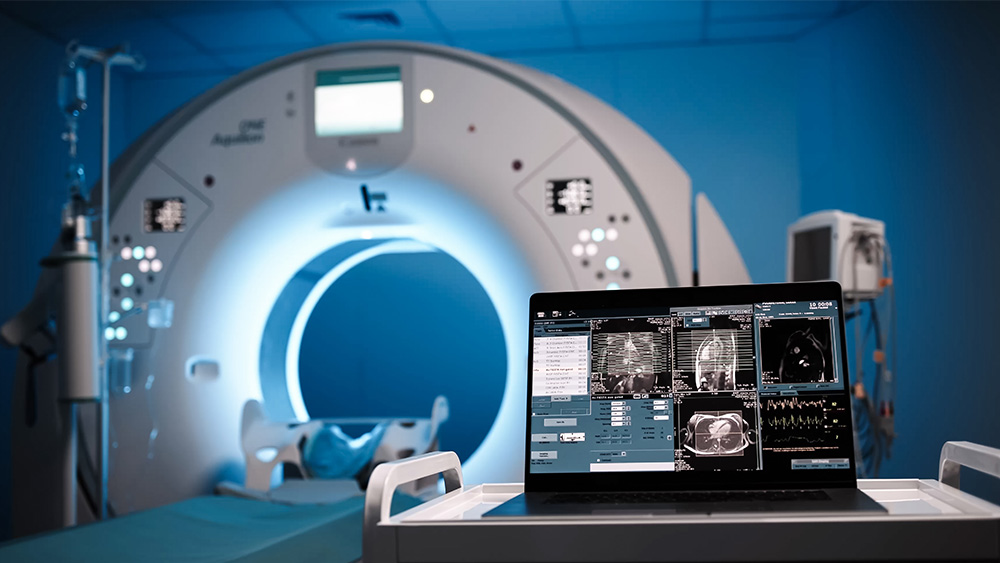
Consider a medical imaging device with AI lesion detection. Traditional FMEA identifies hardware risks (detector failure) and software risks (processing crashes). But it misses critical AI-specific failures. The following scenarios illustrate how.
Model drift: Trained on Western populations with modern equipment; accuracy drops 8–15% when deployed internationally or in sites with older equipment.
…
Comments
Opportunity to speak
Hello Sam,
I am very intrigued with your comments abbots AI application in FMEA. I would like to see if you will be open togging a one hour presentation in ASQ section events.
Sincerely,
C.G.Mistry
Add new comment