Social Sharing block

Pottery is a metaphorical gold mine for archaeologists. Well-preserved ceramics offer a rare glimpse into the lives of past societies, their cultures, traditions, and how they expressed status. When analyzing such finds, stamps and inscriptions are often key.
|
ADVERTISEMENT |
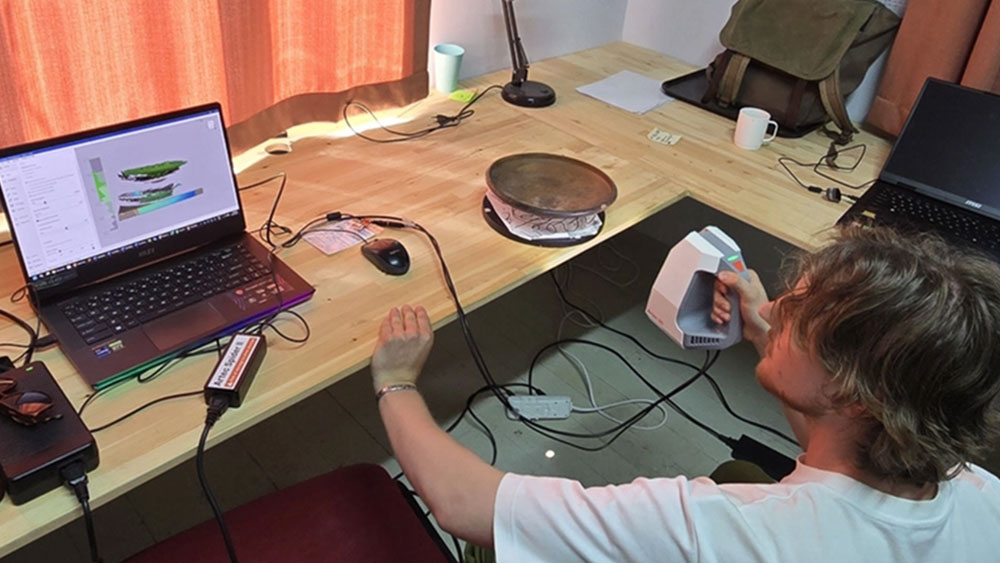
This is certainly the case for Dries Daems and Jitte Waagen, digital archaeologists at Vrije Universiteit Amsterdam and the University of Amsterdam, who have been working on analyzing Hellenistic mold-made relief bowls. These ceramics, which were popular around 200–100 BCE, featured distinctive patterns. But they consisted of varying combinations and were made using a variety of different stamps, which allowed for a potentially infinite number of decorative patterns. This also made them quite tricky to identify.
…
Add new comment