Wilhelm Klein
Social Sharing block

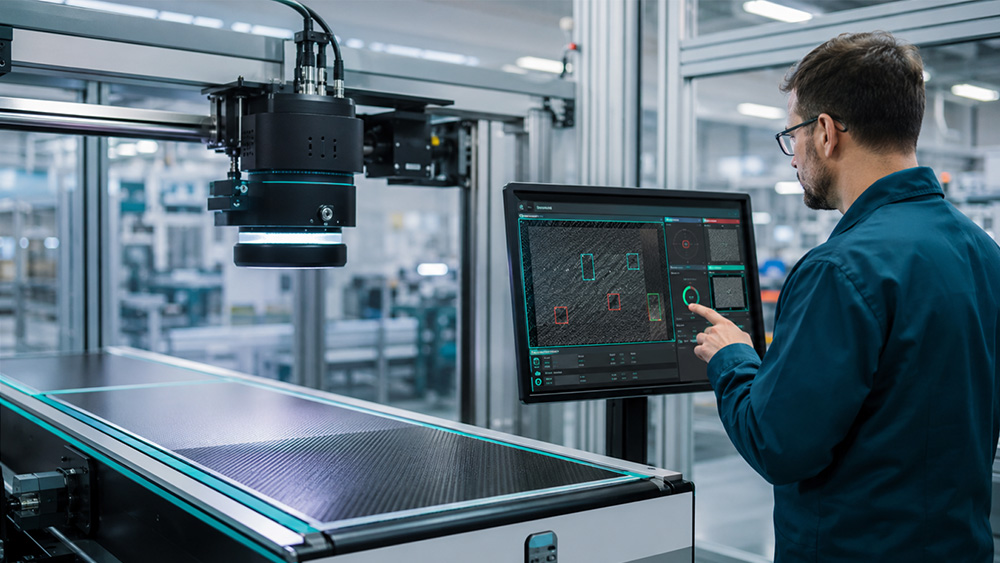
Quality inspection has always depended on people who know what they are looking at. That remains true as automated visual inspection becomes faster and more widely deployed. The strongest systems don’t try to remove expert judgment completely. They capture it, structure it, and apply it consistently to more parts, shifts, and production environments.
|
ADVERTISEMENT |
A production line rarely presents textbook cases. The same visual signal can mean normal variation in one context and a defect in another. Specifications provide boundaries, but inspectors understand the material, location, product variant, downstream process, and consequence of a wrong decision.
That’s why human-in-the-loop inspection matters. When automated visual inspection is designed around expert review, AI provides speed and consistency while human specialists provide judgment, escalation, and accountability.
…
Add new comment