{domain:"www.qualitydigest.com",server:"169.47.211.87"} Skip to main content

        
User account menu
Main navigation
  • Topics
    • Customer Care
    • Regulated Industries
    • Research & Tech
    • Quality Improvement Tools
    • People Management
    • Metrology
    • Manufacturing
    • Roadshow
    • QMS & Standards
    • Statistical Methods
    • Resource Management
  • Videos/Webinars
    • All videos
    • Product Demos
    • Webinars
  • Advertise
    • Advertise
    • Submit B2B Press Release
    • Write for us
  • Metrology Hub
  • Training
  • Subscribe
  • Log in
Mobile Menu
  • Home
  • Topics
    • Customer Care
    • Regulated Industries
    • Research & Tech
    • Quality Improvement Tools
    • People Management
    • Metrology
    • Manufacturing
    • Roadshow
    • QMS & Standards
    • Statistical Methods
    • Supply Chain
    • Resource Management
  • Login / Subscribe
  • More...
    • All Features
    • All News
    • All Videos
    • Training

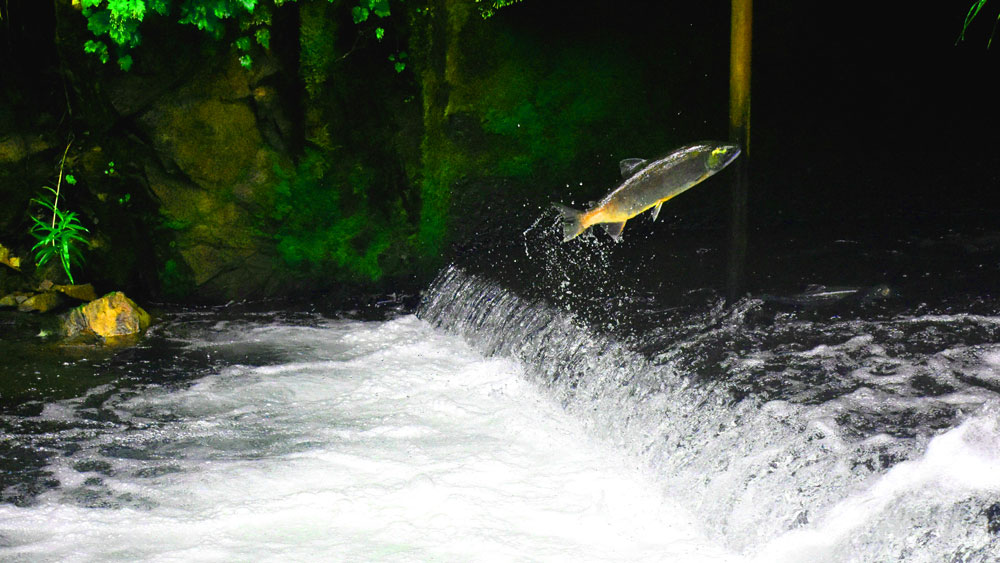
Throwing the Fish Back Into the Water

Re-entry as a tool to dismantle cognitive blind spots

Drew Farwell/Unsplash

Harish Jose
Bio

Harish’s Notebook

Wed, 01/28/2026 - 12:01
  • Comment
  • RSS

Social Sharing block

  • Print
Body

In this article, I am refining my thoughts on re-entry as a wonderful tool to tackle cognitive blind spots. A common saying states that a fish doesn’t know it’s in water. The phrase is usually offered as a comment on unexamined assumptions. The fish is fully immersed in a medium that makes its life possible, and yet that very immersion renders the medium invisible. We the observers, standing outside the water, can easily point to what the fish cannot see.

ADVERTISEMENT

The metaphor is useful, but only if we don’t misunderstand what it implies. The problem isn’t ignorance in the sense of missing information. The problem is immersion—being inside the loop and not being aware of it. In other words, I posit that cognitive blind spots arise not because we lack data, but because we fail to notice the conditions under which noticing itself takes place. We assume that observation is independent of the observer, and in doing so, we negate the very act that makes observation possible.

This negation isn’t accidental. It’s built into many of our conceptual frameworks.

 …

Want to continue?
Log in or create a FREE account.
Enter your username or email address
Enter the password that accompanies your username.
By logging in you agree to receive communication from Quality Digest. Privacy Policy.
Create a FREE account
Forgot My Password

Add new comment

Image CAPTCHA
Enter the characters shown in the image.
Please login to comment.

© 2026 Quality Digest. Copyright on content held by Quality Digest or by individual authors. Contact Quality Digest for reprint information.
“Quality Digest" is a trademark owned by Quality Circle Institute Inc.

footer
  • Home
  • Print QD: 1995-2008
  • Print QD: 2008-2009
  • Videos
  • Privacy Policy
  • Write for us
footer second menu
  • Subscribe to Quality Digest
  • About Us