Social Sharing block

Physical AI—the embedding of digital intelligence into physical systems—is a promising but sometimes polarizing technology. Optimists point to the upside of combining AI and physical hardware: robot-assisted disaster zone evacuations, drone deliveries of critical supplies, and driver assistance that reduces crashes. Pessimists note the risks, cautioning that without proper guardrails machines could act in ways misaligned with human needs.
|
ADVERTISEMENT |
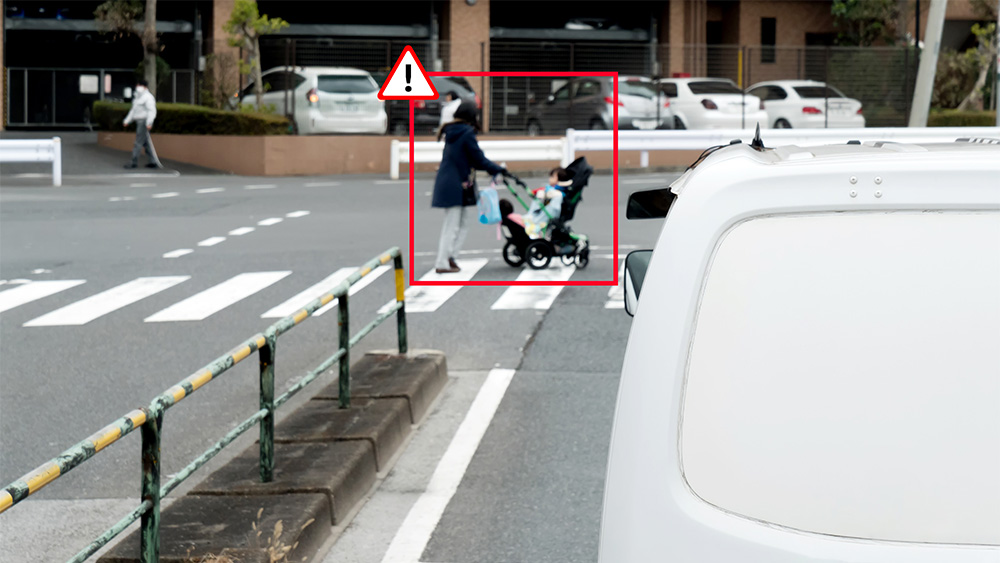
Physical AI has the potential to deliver safety benefits. But it also poses safety risks without intelligent safeguards.
Why physical AI needs a unique approach to safety
The successful deployment of physical AI requires a mind-set that treats safety as an integral, nonnegotiable design goal, not an afterthought. Most AI deployments require digital risk management to prevent data breaches and to correct other errors that can cause financial, compliance, and reputational harm. With physical AI, the stakes are higher because of the potential for human suffering or loss of life caused by a collision or a surgical misstep.
…
Add new comment