{domain:"www.qualitydigest.com",server:"169.47.211.87"} Skip to main content

        
User account menu
Main navigation
  • Topics
    • Customer Care
    • Regulated Industries
    • Research & Tech
    • Quality Improvement Tools
    • People Management
    • Metrology
    • Manufacturing
    • Roadshow
    • QMS & Standards
    • Statistical Methods
    • Resource Management
  • Videos/Webinars
    • All videos
    • Product Demos
    • Webinars
  • Advertise
    • Advertise
    • Submit B2B Press Release
    • Write for us
  • Metrology Hub
  • Training
  • Subscribe
  • Log in
Mobile Menu
  • Home
  • Topics
    • Customer Care
    • Regulated Industries
    • Research & Tech
    • Quality Improvement Tools
    • People Management
    • Metrology
    • Manufacturing
    • Roadshow
    • QMS & Standards
    • Statistical Methods
    • Supply Chain
    • Resource Management
  • Login / Subscribe
  • More...
    • All Features
    • All News
    • All Videos
    • Training

Upgrades That Make Your Production Line Safer

A safer production line doesn’t just protect people; it protects performance

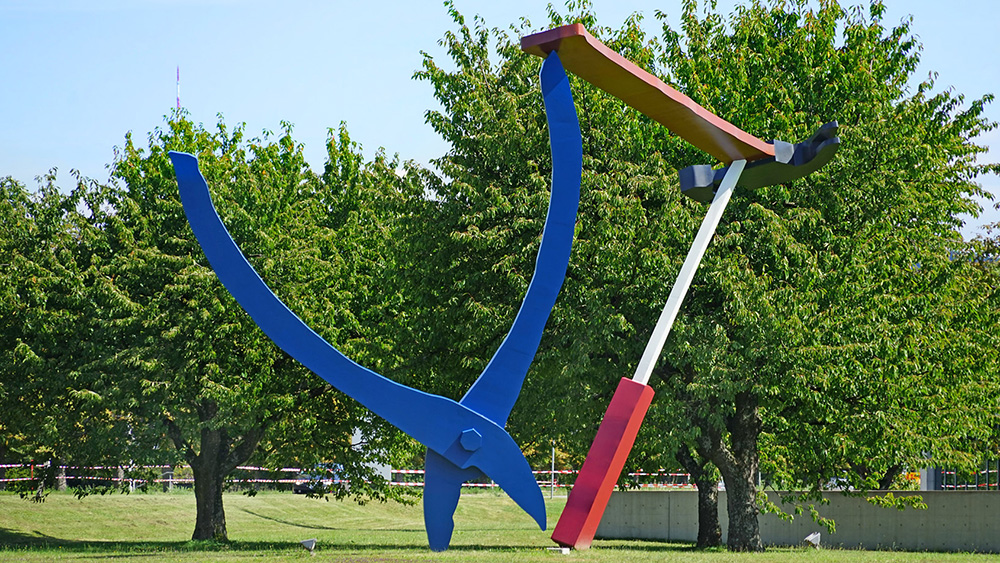
Jean-Pierre Dalbéra/Flickr

Melanie Morales
Bio
Wed, 01/07/2026 - 12:01
  • Comment
  • RSS

Social Sharing block

  • Print
Body

In modern manufacturing, the smartest factories know that safety comes first. Any injury, equipment problem, or unexpected stop can slow everything down.

ADVERTISEMENT

The good news? The right equipment updates can reduce many of these risks. From tool balance systems to better cable management, the right investments in safety and usability can significantly lower accidents, tiredness, and repair costs, all while boosting output.

When factories put safety first, they protect their workers and make their production lines more efficient and reliable. Simply put, a safer production line leads to a successful manufacturing process.

So, where do you start?

Modern tech, from tool balancers to advanced robots, has changed manufacturing by making production lines safer and more productive. These inventions help cut down on mistakes, streamline operations, and make sure product quality stays consistent. As a result, you’ll get better products and strengthen your place in the market. As manufacturing continues to change, using safer production line methods is key to keeping things efficient, protecting workers, and reaching long-term business success.

When your tools feel weightless, so do you

One of the most overlooked risks in industrial settings is operator fatigue. Long hours of repetitive tool handling (especially with pneumatic or torque tools) can lead to strain injuries and slower reaction times. On top of that, workers are often left standing for extended periods on the production line, increasing the risk of fatigue and injury.

Zero-gravity tool balancers help make tools feel weightless by using a spring system that balances the tool’s weight, allowing it to float in place and move easily with the worker. Operators value this upgrade because the weightlessness takes the strain off the operator. When the tool feels weightless, there’s less strain on the shoulders and arms so people can work longer without fatigue. It also keeps tools exactly where they need to be, within easy reach, so there’s no more dropping, dragging, or awkward stretching to grab a tool midtask.

The result is safer, smoother movements and more consistent precision, especially in repetitive jobs where control really matters.

Forget awkward reaches or dropped tools

Traditional setups often rely on static hooks or shelves that force operators to awkwardly twist, reach, or lift. A spring balancer solves this by suspending the tool at the operator’s optimal working height and retracting it automatically after use. The result is fewer hazards, less strain, and reduced tool damage—a trifecta of safety wins.

Here’s where you’ll notice the difference. By taking the weight and strain off repetitive motions, a spring balancer helps prevent common fatigue and overuse injuries that slow operators down. It also keeps the line organized with tools always in the right place and easy to reach. Over time, that kind of organization doesn’t just make work smoother; it makes the whole tool-handling process safer, faster, and more consistent.

Good cable management is good business

Messy cables are a silent safety hazard. In environments with forklifts, pneumatic systems, or EV charging stations, one misplaced cord can lead to tripping, cable wear, or even electrical hazards. Proper cable management with cable retractors helps to prevent these issues by minimizing cable damage and ensuring consistent quality.

Clean floors mean fewer accidents, fewer cable replacements, and less downtime on preventable fixes.

Retractors also extend cable life significantly. When cords aren’t being dragged, stepped on, or bent, they last longer, cutting replacement costs and keeping your equipment running where it should be. On top of that, consistent power and air delivery mean fewer interruptions and faster recovery after every shift change or tool swap.

Over time, these benefits stack up without any extra effort and increase your return on investment.

Stop fighting your setup and let it work for you

Static tool placement might seem simple, but on dynamic production lines, it can be a recipe for overreach, strain, and lost time. Overhead rail systems combined with balancers allow operators to move tools smoothly along their work zone without lifting or repositioning heavy equipment.

Fewer dropped tools and collisions mean less damage and repair costs. Meanwhile, smoother movement between stations speeds up assembly and boosts output. It’s a minor upgrade that delivers significant returns such as safer shifts, longer-lasting equipment, and a faster, more adaptable production line.

Preventive maintenance: The upgrade that pays for itself

Even the best-engineered tools and machines lose precision, stability, and safety over time without proper maintenance. Routine maintenance isn’t just about keeping things running; it prevents downtime, protects workers, and sustains performance across your entire production line.

Think of it as insurance for your equipment. The moment calibration drifts, a cable frays, or a spring loses tension, you’re not just risking an inefficient shift; you’re risking an injury, a shutdown, or a compliance violation. By integrating preventive maintenance into your daily operations, your plant ensures that every piece of equipment performs exactly as designed, every single time.

Regularly scheduled tasks like replacing worn or frayed cables, recalibrating spring tension, checking locking mechanisms, and cleaning dust or debris from moving parts should be standard practice in every facility. These small, consistent actions drastically reduce unplanned breakdowns and extend the lifespan of high-value assets like spring balancers, retractors, and pneumatic tools.

A well-designed maintenance program should also include:

Predictive tracking: Use inspection logs and cycle counters to monitor wear trends before they turn into failures.

Task-specific routines: Develop inspection schedules based on how frequently a tool or balancer is used. High-rotation stations might need daily checks, while light-duty areas can be inspected weekly.

Safety-first documentation: Record every adjustment and replacement to stay compliant with OSHA and ISO audit requirements.

Team training: Operators should know what early warning signs look like; unusual tension, noise, or tool drift can indicate spring or cable fatigue.

Ultimately, maintenance is more than a cost; it’s a performance strategy. A proactive system keeps your equipment reliable, your operators safer, and your production goals on schedule.

Plants that build preventive care into their workflow don’t just fix problems; they avoid them.

Safety is the strongest ROI

The truth is, a safer production line protects both people and performance.

These upgrades reduce injuries and stoppages, and create smoother workflows. When your operators can move freely and confidently, your plant’s overall productivity, quality, and reliability rise with them.

If you’re serious about reducing risk and improving operational safety, it’s time to look beyond compliance and toward innovation.

Add new comment

The content of this field is kept private and will not be shown publicly.
About text formats
Image CAPTCHA
Enter the characters shown in the image.

© 2025 Quality Digest. Copyright on content held by Quality Digest or by individual authors. Contact Quality Digest for reprint information.
“Quality Digest" is a trademark owned by Quality Circle Institute Inc.

footer
  • Home
  • Print QD: 1995-2008
  • Print QD: 2008-2009
  • Videos
  • Privacy Policy
  • Write for us
footer second menu
  • Subscribe to Quality Digest
  • About Us